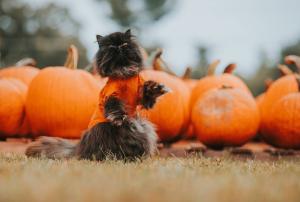
Halloween has a rich history that dates back centuries. It all started with the ancient Celts who celebrated Samhain, a festival marking the end of the harvest season. They believed that on the night of October 31, the boundary between the living and the dead blurred, allowing spirits to roam the Earth. People would light bonfires and wear costumes to ward off these wandering souls.
Fast forward to the 8th century when Pope Gregory III designated November 1 as All Saints' Day, a time to honor all saints. The night before became known as All Hallows' Eve, which eventually morphed into Halloween. With the merging of these traditions, the spooky vibe was solidified. The practice of dressing in costumes emerged as a way to mimic or appease the ghosts.
As Halloween made its way to America, it evolved even more. Irish immigrants brought their customs with them in the 19th century, including the fun and quirky tradition of carving pumpkins. They used turnips at first, but when they discovered pumpkins in the New World, they quickly switched to their larger and friendlier orange cousins.
Trick-or-treating became popular in the 1920s and 1930s. Kids would dress up and go door-to-door, asking for treats, and it quickly became a beloved tradition. Communities came together, and houses were decorated to celebrate the spooky season. Over the years, Halloween transformed into the festive, candy-filled celebration we know today, complete with haunted houses, elaborate costumes, and loads of sweets!
Eerie Folklore That Shaped Halloween
Halloween has its roots deeply embedded in eerie folklore that has been passed down through generations. These tales create a rich tapestry of spooky legends that have shaped our modern celebration. One of the earliest influences comes from the Celtic festival of Samhain, where people believed the boundary between the living and the dead blurred. On the night of October 31st, it was thought that spirits roamed freely, and to avoid being recognized, folks wore masks and costumes.
Another legend involves the infamous Jack-o'-lantern. The story goes that a clever but deceitful man named Jack tricked the devil multiple times. When he died, he wasn’t allowed into heaven or hell, so he wandered the earth with only a lantern made from a turnip to light his way. This tale led to the tradition of carving pumpkins into jack-o'-lanterns to ward off wandering spirits.
Ghost stories and spooky folklore weren't just for fun; they served a purpose. People used these tales to explain the unexplainable—the howling wind, the rustling leaves, or the flickering shadows at night. The belief that spirits and faeries roamed during Halloween kept communities close-knit as they shared tales around the fire, making the night feel both thrilling and terrifying.
Today, many of these stories still echo in our Halloween traditions. From the costumes we wear to the pumpkins we carve, each element carries a story from the past. It’s not just about candy and parties; Halloween invites us to remember the folklore that continues to send chills down our spines, reminding us of the supernatural world lurking just beneath the surface.
Celtic Roots and Samhain Celebrations
When you think of Halloween, you might picture spooky costumes, sweet candy, and ghostly decorations. But have you ever wondered about its roots? A lot of those vibes trace back to ancient Celtic traditions, especially the festival of Samhain. The Celts saw this time as a turning point in the year, marking the end of harvest and the beginning of winter.
Samhain was celebrated from October 31st to November 1st, a time when the veil between the living and the dead was believed to be thinnest. People thought that spirits could roam the earth and interact with the living. To celebrate, they lit bonfires and donned costumes to ward off these wandering spirits. Imagine the streets alive with flickering flames, laughter, and a bit of excitement mixed with fear!
As part of the festivities, families would set out food and drinks to appease any spirits that might visit their homes. Who wouldn’t want to share a meal with a friendly ghost? The idea was to invite good spirits and protect their homes from harmful ones. Over the years, these traditions evolved and took on new flavors, laying the groundwork for what we now know as Halloween.
Fast forward to today, and you'll still find echoes of Samhain in modern celebrations. Trick-or-treating? That’s a playful nod to the old practice of “guising,” where people dressed up and performed for food. Carving pumpkins? That comes from the ancient practice of using turnips to ward off evil spirits. So every time you pick out a costume or carve a pumpkin, know that you’re part of a spooky legacy that’s been around for centuries!
Modern Halloween: Fun and Frights
Modern Halloween is a vibrant mix of fun, frights, and a little bit of magic! This holiday has come a long way from its spooky origins, evolving into a celebration where people of all ages can join in the fun. Whether you’re dressing up in costumes, throwing a killer party, or just indulging in Halloween treats, there’s a bit of something for everyone.
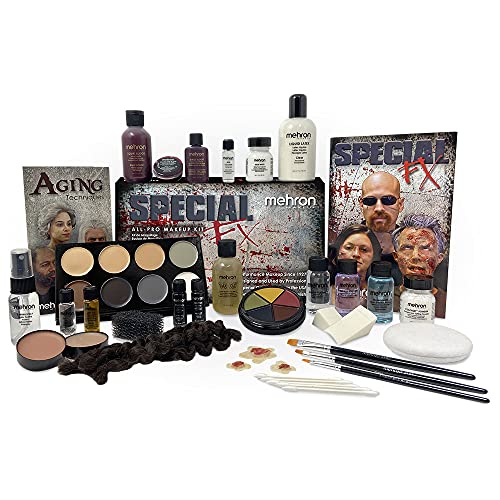
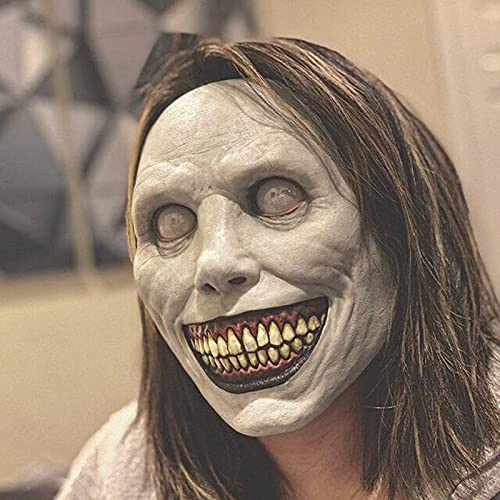
One of the best parts of Halloween today is the costumes. From cute to terrifying, there are endless options to choose from. Want to be a classic witch or a quirky pumpkin? You’ve got it! Or maybe you're feeling adventurous and want to nail that trending character? Just hit up your favorite costume shop, and you’ll be all set to impress!
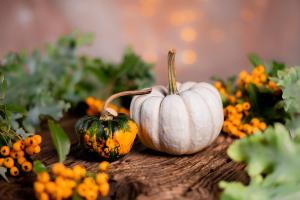
Then there's the spooky decor. Think of cobwebs, skeletons, and glowing jack-o'-lanterns lighting up the night. You can turn your home into a haunted house in no time with just a few decorations. Plus, setting up a killer display for trick-or-treaters can make your house the talk of the neighborhood!
Let’s not forget about the treats! Halloween nights are all about candy – from chocolate bars to gummy worms, kids and adults alike go wild for those sugary goodies. Hosting a Halloween party? You can get creative with themed snacks that offer both flavor and a bit of fright. Think pumpkin pie bites or ghost-shaped cookies to sweeten the night.